Maintaining the structural integrity of a commercial building hinges on a sound roofing system. Promptly addressing issues with professional round rock roof repair services prevents significant damage, costly disruptions, and ensures safety. This comprehensive guide explores essential aspects of commercial roof repair, empowering informed decisions.
Understanding Commercial Roofs and Common Damage
Commercial roofs differ from residential ones, typically being larger, flatter, and constructed with specialized materials. This makes them susceptible to specific damage types: leaks from punctures or seam failures, ponding water causing material deterioration, blistering from trapped moisture, punctures from debris, seam failures due to weathering, flashing issues around transitions, and granule loss in some systems. Recognizing these issues early is key.
The Importance and Timing of Commercial Roof Repair
Ignoring roof damage carries significant and far-reaching consequences for a commercial building. Initially, seemingly minor issues can quickly escalate, leading to substantial further damage such as pervasive water intrusion into the building’s structure and interior spaces. This moisture can saturate insulation, diminishing its effectiveness and thereby compromising the building’s energy efficiency, resulting in increased heating and cooling costs. Furthermore, a damaged roof poses direct risks, potentially endangering building occupants and valuable assets from falling debris or structural instability. Allowing small problems to persist significantly increases the risk of needing a complete and costly roof replacement down the line, a financial burden that could have been avoided with timely intervention. Finally, neglecting necessary roof repairs detracts from the overall condition and appearance of the property, ultimately diminishing its market value and potentially deterring future tenants or buyers.
It is therefore crucial to be vigilant for early warning signs that indicate the need for professional roof repair services. Promptly calling for assistance is essential when you observe any interior leaks, water stains appearing on ceilings or walls, a noticeable sagging of the roof deck, the persistent pooling of ponding water on the roof surface, the formation of blisters or bubbles on the roofing membrane, any instances of loose or missing flashing around vents or edges, an unusual and excessive loss of granules from the roof surface, or any unexplained increases in your monthly energy bills, which could signal compromised insulation due to roof damage. Addressing these indicators swiftly can prevent more extensive damage and preserve the long-term integrity of your commercial building.
Choosing the Right Contractor and the Repair Process
Selecting a contractor for round rock roof repair demands careful consideration. Prioritize those with demonstrable experience in commercial roofing systems, as their needs and complexities differ significantly from residential projects. Confirm that the contractor possesses the proper licensing required by your state and locality, ensuring they meet established professional standards. Furthermore, verify they maintain comprehensive insurance coverage, including both liability and workers’ compensation, to protect your business from potential financial risks associated with accidents or damages during the repair work.
A contractor’s reputation speaks volumes; therefore, thoroughly check online reviews and, crucially, request and contact references from previous commercial clients to gauge their satisfaction with the contractor’s workmanship, communication, and overall professionalism. Finally, inquire about the warranty offered on both the materials used and the labor performed. A reputable contractor will stand behind their work with a solid warranty, providing you with peace of mind and recourse in case of future issues.
Once you’ve narrowed down your choices, obtaining detailed written estimates from several qualified contractors is a critical step. These estimates should clearly outline the scope of work to be performed, the specific materials that will be used (including brand and specifications), the estimated timeline for completion, and a transparent breakdown of all associated costs. Be wary of vague or incomplete estimates, and don’t hesitate to ask for clarification on any aspect of the proposal. The actual round rock roof repair process typically involves a systematic approach. It begins with a thorough inspection of your commercial roof to accurately identify all areas of damage and determine the underlying causes. Following the inspection, the contractor should provide a detailed assessment of the necessary repairs and a clear explanation of their proposed solutions.
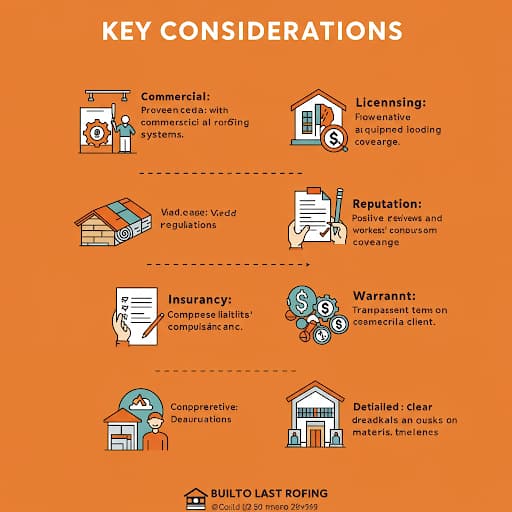
Key Considerations When Choosing a Contractor:
- Commercial Experience: Proven track record with commercial roofing systems.
- Licensing: Valid and up-to-date as required by local and state regulations.
- Insurance: Comprehensive liability and workers’ compensation coverage.
- Reputation: Positive online reviews and verifiable references from commercial clients.
- Warranty: Clear warranty terms on materials and workmanship.
- Detailed Estimates: Transparent breakdown of costs, materials, and timelines.
Typical Steps in the Repair Process:
- Thorough Inspection: Detailed assessment of roof damage and its causes.
- Detailed Assessment: Clear explanation of required repairs and proposed solutions.
Conclusion
Technology like drone inspections and infrared thermography aids in identifying issues. Understand your roof warranty’s terms, coverage, and required maintenance to keep it valid.
In conclusion, proactive maintenance and timely round rock roof repair are vital for the longevity of commercial roofs. Choosing a reputable contractor, perhaps one with the experience of Garland Roofing Company, and addressing problems promptly protects your investment and ensures building safety and efficiency. Neglecting repairs leads to significant costs. Prioritizing maintenance and quality repairs safeguards your commercial property.